Can AI Save the UK High Street? How Independent Retailers Are Fighting Back
The UK high street has faced a torrid decade. The rise of e-commerce giants, changing consumer habits, and the lasting economic impact of the pandemic have left many independent retailers fighting for survival. Yet a quiet revolution is taking place in shop windows and stockrooms across the country. Artificial intelligence, once the exclusive preserve of large corporations with enormous technology budgets, is now accessible to the smallest independent retailer. And it is changing everything.
The Scale of the Challenge
Before exploring the solutions, it is worth understanding the scale of the problem. Independent retailers face a structural disadvantage against large chains and online platforms. Amazon can predict what you want to buy before you know you want it. Zara can turn a fashion trend into a product on the shelf in two weeks. Tesco uses sophisticated algorithms to ensure the right products are in the right stores at the right time. How can a family-run gift shop in Gravesend or a boutique clothing store in York possibly compete?
AI-Powered Inventory Management
One of the most immediate and impactful applications of AI for independent retailers is inventory management. Overstocking ties up precious capital in unsold goods. Understocking means missed sales and frustrated customers. Getting the balance right has traditionally required years of experience and a great deal of intuition.
AI inventory tools analyse historical sales data, seasonal trends, local events, and even weather patterns to predict demand with remarkable accuracy. A florist in Edinburgh, for example, can use AI to predict exactly how many roses to order ahead of Valentine's Day based on the previous three years of sales data, the local population size, and current social media trends. The result is less waste, better cash flow, and fewer disappointed customers.
Personalised Marketing at Scale
Large retailers spend millions on personalisation technology. AI is now making the same capability available for a fraction of the cost. Tools like Klaviyo, Mailchimp's AI features, and even built-in capabilities within Shopify allow independent retailers to segment their customer base and send highly targeted communications.
Consider a small independent wine merchant in Bristol. If their point-of-sale data shows that a particular customer frequently buys New Zealand Sauvignon Blanc, an AI marketing tool can automatically trigger a personalised email or SMS offering them a slight discount on a newly arrived vintage from the Marlborough region. This is not generic mass-marketing; it is targeted, relevant, and highly effective at driving repeat footfall.
Dynamic Pricing Strategies
Large retailers constantly adjust their prices based on demand, competitor pricing, and stock levels. AI is bringing this capability to the high street. Dynamic pricing software can suggest subtle price adjustments for specific items to clear slow-moving stock before it becomes obsolete, or slightly increase margins on high-demand items during peak local shopping periods.
This does not mean engaging in aggressive price wars. Rather, it means making smarter, data-driven decisions about promotions and markdowns that protect margins while keeping customers happy.
Enhancing the In-Store Experience
While AI handles the backend logistics, it also frees up shop staff to focus on what independent retail does best: genuine human interaction and exceptional customer service. When staff are not manually counting stock or sending individual emails, they can spend more time on the shop floor, building relationships with customers and offering the personalised service that no online retailer can replicate.
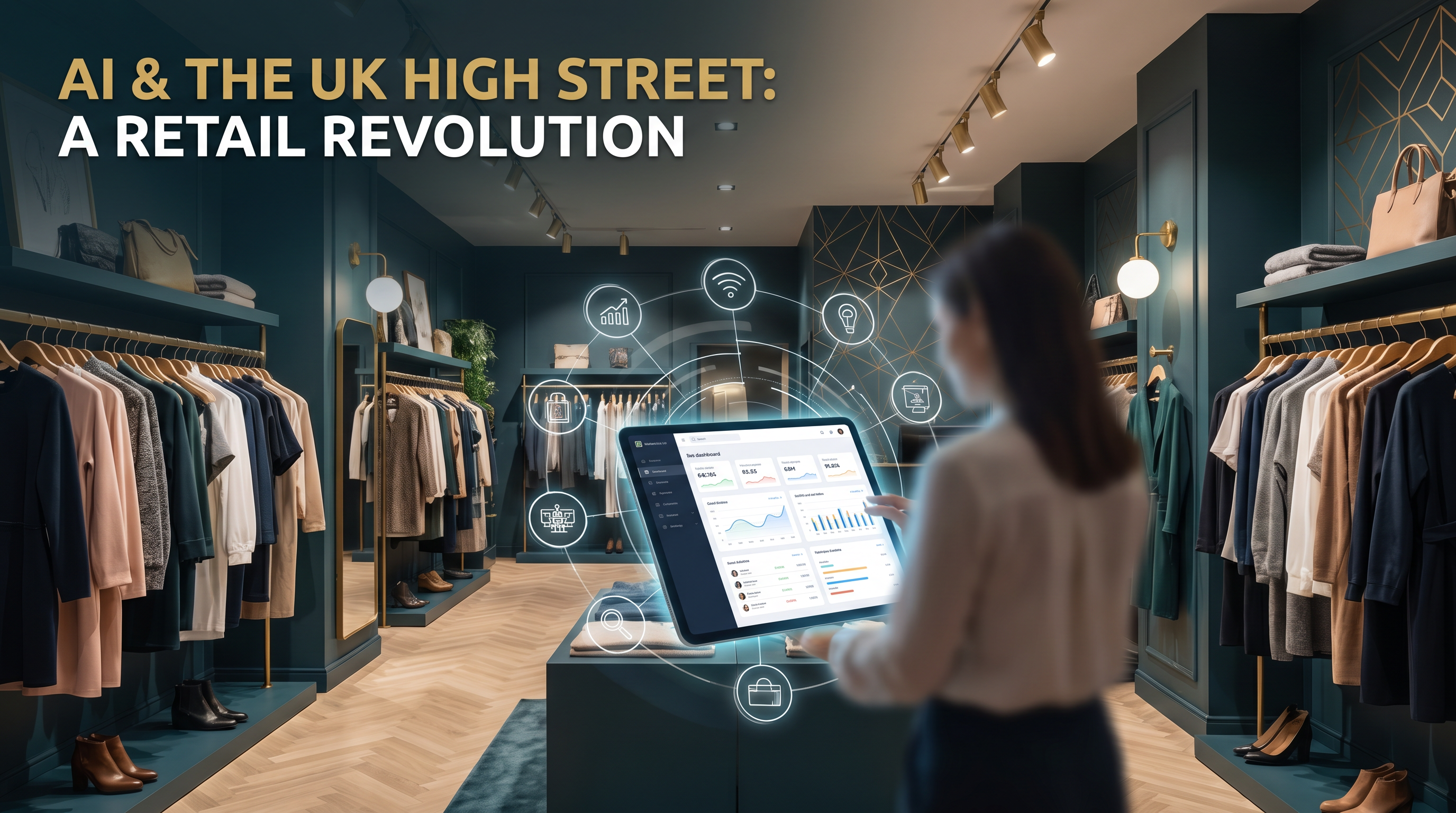
Furthermore, some innovative retailers are introducing AI-powered interactive kiosks that can recommend complementary items, check stock availability across multiple locations, and even process simple transactions, bridging the gap between the digital and physical shopping experience.
Getting Started: Practical First Steps
The prospect of implementing AI can feel overwhelming for a small business owner who is already stretched thin. The key is to start small and focus on one specific pain point. Here are three practical starting points:
- Automate your email marketing: Tools like Mailchimp or Klaviyo can send automated welcome sequences, abandoned cart reminders, and personalised product recommendations with minimal setup.
- Use an AI chatbot on your website: A simple AI assistant can answer common customer questions about opening hours, stock availability, and returns policies 24 hours a day, seven days a week.
- Implement a smart inventory system: Platforms like Lightspeed or Vend use AI to track stock levels and flag reorder points automatically.
The Verdict: A Digital Lifeline
AI will not solve every problem facing the UK high street. Business rates and parking charges remain significant structural hurdles that require political solutions. However, by embracing AI to automate inventory, personalise marketing, and optimise pricing, independent retailers are equipping themselves with the tools they need to not just survive, but actively thrive and compete in the modern retail landscape. The technology is here, it is affordable, and the retailers who embrace it earliest will have a significant competitive advantage over those who wait.
Ready to Automate Your Business?
If you are tired of drowning in admin, we can help. Book a free 30-minute consultation call to see exactly where AI could save your business time and money.
📅 Book Your Free Call